New England Thanksgiving Traditions: In Defense of Ocean Spray and One-Pie

New England Thanksgiving Traditions: In Defense of Ocean Spray and One-Pie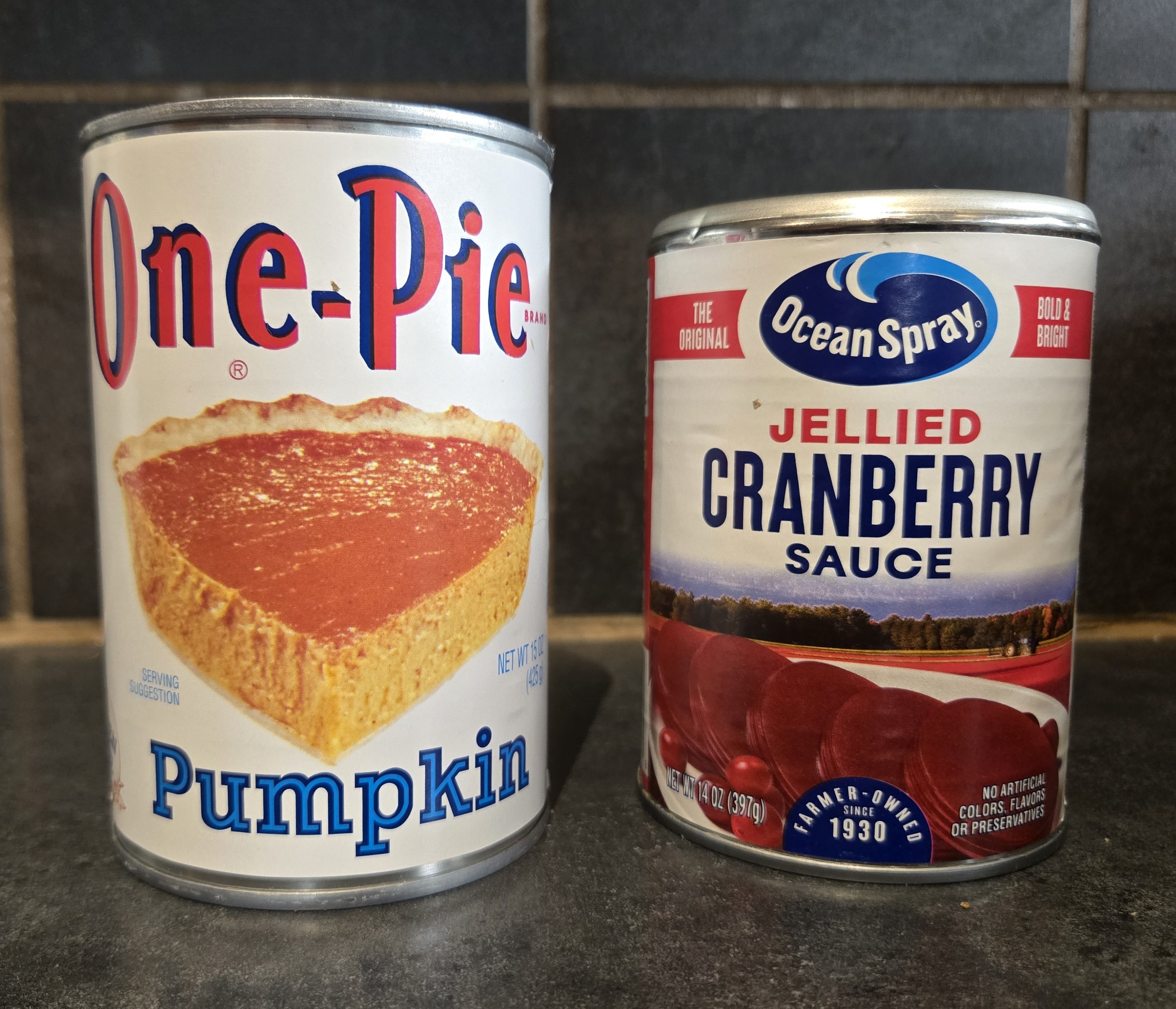
Turkey or ham? Is green bean casserole a culinary crime? (yes)
Forget peace, love and understanding. This is not a day for compromise! This is a day for defending family traditions handed down by grandparents who would sooner surrender Plymouth Rock and the Thirteen Colonies than switch brands of cranberry sauce.
Every November, Americans renew the great age-old Thanksgiving arguments. Fresh or frozen turkey? Homemade cranberry sauce or canned? Fresh pumpkin pie or One-Pie? The food magazines and bloggers have chosen their side. Let them celebrate their artisanal cranberry compotes (barf pudding) and hand-roasted pumpkins. In my New England family, loyalty and tradition run deeper than trendy culinary fashion.
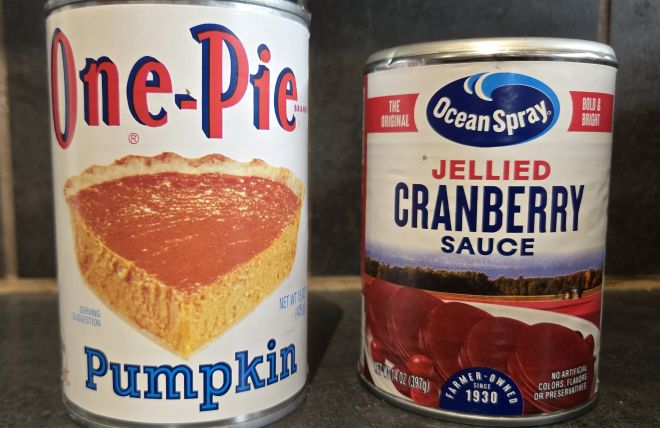
There are two products that have earned rock-star status in New England on our most cherished holiday table—Ocean Spray cranberry sauce and One-Pie, pumpkin pie.
Ocean Spray was not perceived as a manufactured substitute for the real thing. For most New England families, Ocean Spray is the real thing.
As a kid growing up in Rhode Island, the cranberry bogs of southeastern Massachusetts and the Cape were part of the landscape on Sunday drives and summer vacations. These vast expanses of flooded fields were mysterious and beautiful in shades of deep green and crimson. And when Thanksgiving dinner was served, that ridged cylinder of cranberry sauce carried the taste of those bogs to our table.
The company was originally owner farmed at its founding in 1930 and remains a cooperative of roughly 700 growers today. When families open a can of Ocean Spray cranberry sauce, they are consuming fruit grown in bogs they pass on drives, or even worked in. The product represents local agriculture, not corporate food science.
The economic impact of Ocean Spray to the local economy is important. There are about 700 local farming families cultivating 25,000 acres that support thousands of jobs through the growing and processing operations. The company has helped to preserve cranberry growing as a viable livelihood in southeastern Massachusetts and Cape Cod after many other New England based agricultural industries have declined.
The same is true of One-Pie—a true New England classic. Long before celebrity chefs rediscovered pumpkin, New England bakers were turning out holiday pies from those familiar cans. No one ever considered it a compromise. It was simply how Thanksgiving tasted. 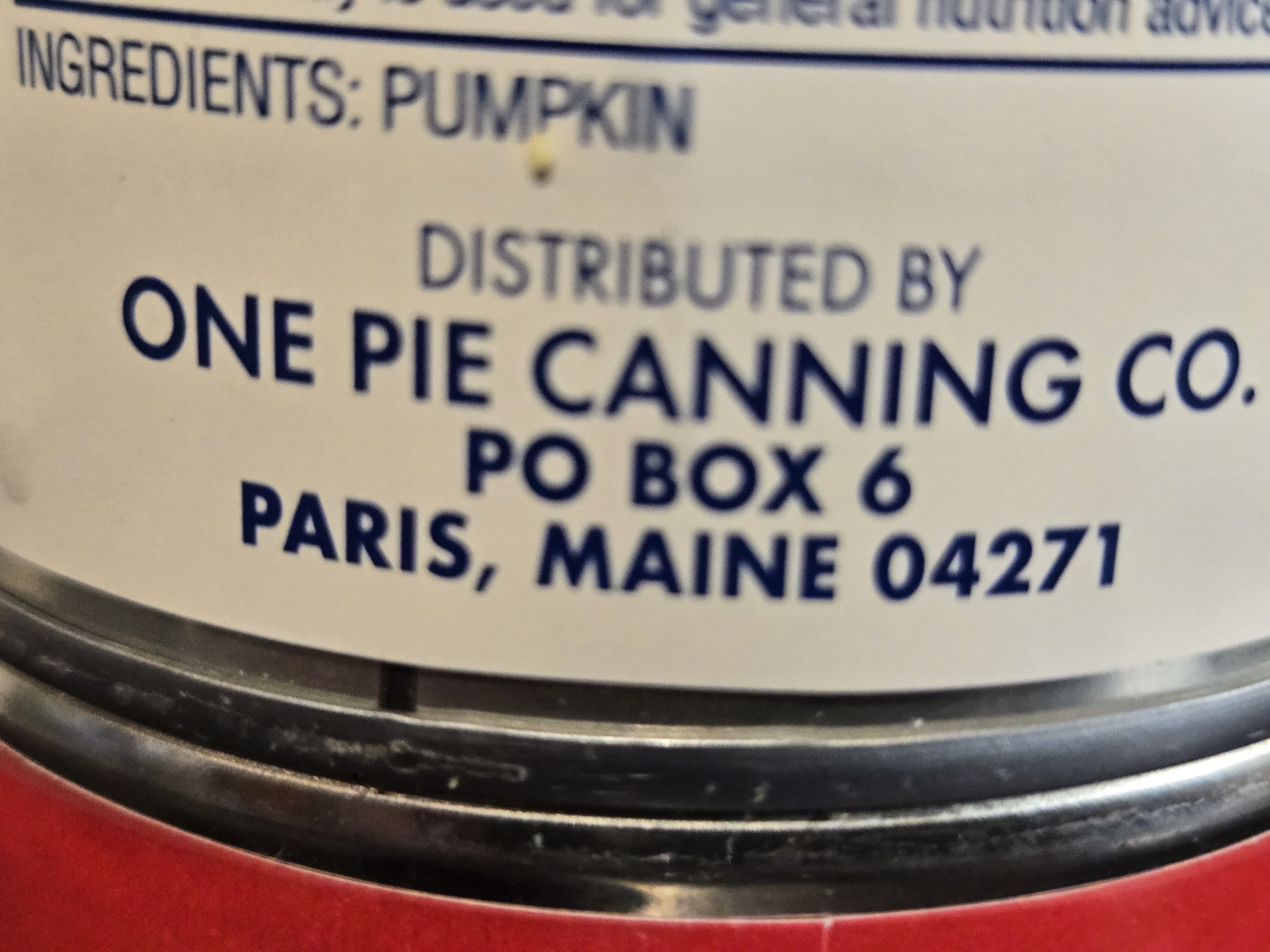
One-Pie originated with the Medomak Canning Company in Waldoboro, Maine during an era when Maine was a canning giant, with more than 100 canneries processing everything from sardines to corn, beans, apples and pumpkins.
While much of that industry has disappeared, One-Pie has survived as a living artifact from that era. Though the pumpkin puree is now produced out of state, it maintains its Maine identity being distributed from West Paris, Maine
The One-Pie label has become an icon of Thanksgiving itself. Yankee Magazine described it as, “New England’s unofficial brand, noting that many New Englanders insist on it because their mothers and grandmothers used it, as mine did. I do not recall a Thanksgiving when a One-Pie pumpkin pie was not on the desert table.
Food writers and celebrity cooks often praise “scratch cooking,” but New England families like mine have long built their food traditions around trusted brands. Brands that have earned preferred status over decades, through quality and consistency. From Boston baked beans to pies and jellied fruits that garnish our holiday tables, brands like One-Pie and Ocean Spray have become the traditional benchmark for traditional holiday flavors.
These brands represent more than culinary trends or the flavors of the holidays. They connect family tables to local landscapes and have become symbols of place for generations. They tie us to our most cherished memories and our heritage.