Riding Through Time: Exploring the Blackstone Industrial Corridor
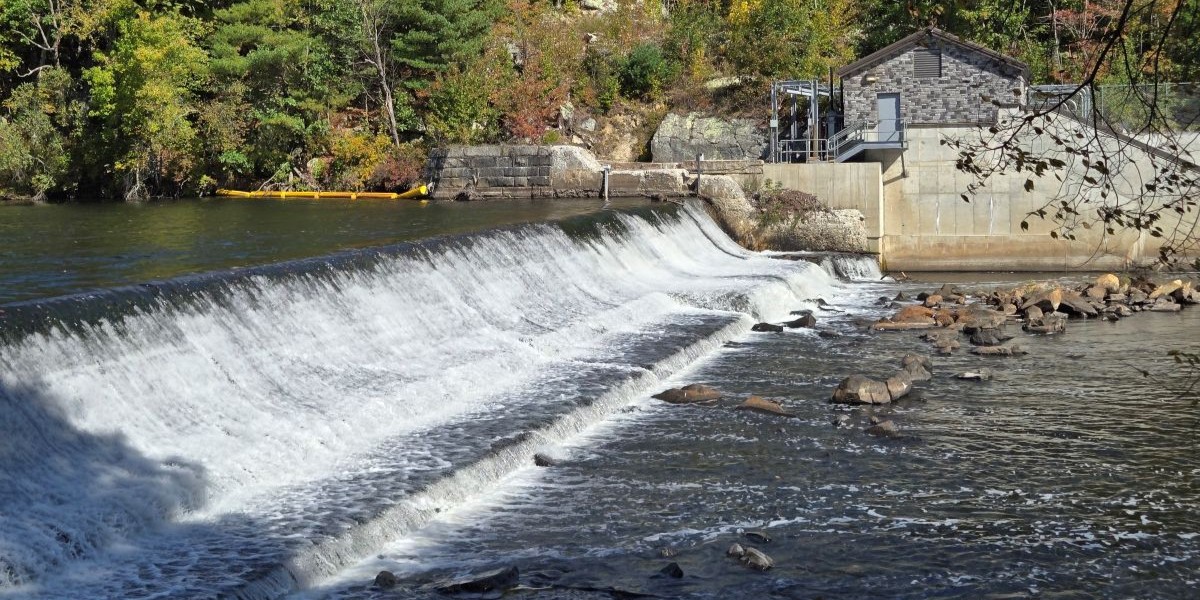
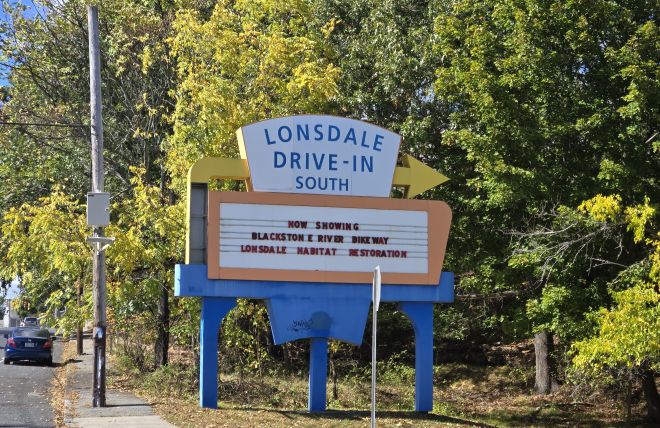
What I love about cycling trails along old rail lines is the intimate connection to history still evident in the landscape. These corridors that carry us back through time link the heritage of our communities and the roots of our families to our lives today. My family on both sides is tied to immigrants who left their homelands to work in the New England mills. Growing up in the Providence area I remember shopping the mill stores every year for new school clothes or yarn and fabrics that mom crafted into sweaters and or new Easter outfits. The echo of the Lonsdale, Greystone and Atlantic Mills, once at the heart of the American industrial revolution, still fundamentally shapes the landscape, economy and culture of Rhode Island and Massachusetts today. The past is still alive—in the landscape, in the towns, and in the memories we carry forward.
The Blackstone Valley of Massachusetts and Rhode Island is the birthplace of the American Industrial Revolution. In 1790, Samuel Slater built the first successful water‑powered cotton mill in America at Pawtucket Falls, harnessing the steady drop of the Blackstone River to drive machinery that changed the nation. Industrialization took hold quickly: within a few decades, the riverbanks were lined with mills, machine shops, dye houses, and worker villages. The Blackstone became a 45‑mile engine of innovation, powering a new industrial society.
By 1828, the Blackstone Canal connected Worcester to Providence, creating a direct artery for raw cotton, finished textiles, tools, and ideas. Barges moved slowly but reliably, pulled by horses along the towpath that cyclists ride today. The canal cut travel time dramatically and helped knit together dozens of mill villages.
But progress is never static. By the 1840s, the railroad replaced the towpath delivering year‑round speed and efficiency. The mills grew larger, the towns denser, and the valley’s industrial output soared. The corridor became one of the most productive manufacturing regions in the country.
This dynamic growth of industry reshaped the human landscape as much as the physical one. The mills drew thousands of immigrants from Canada and the British Isles — French Canadian families seeking steady work, Irish laborers building canals and railroads, English and Scottish textile workers bringing specialized skills. They built neighborhoods, churches, fraternal halls, and corner stores that still define the character of Rhode Island and Massachusetts mill towns today. These communities were built by people who arrived with little but their dreams and created lives on through grit, skill, and community.
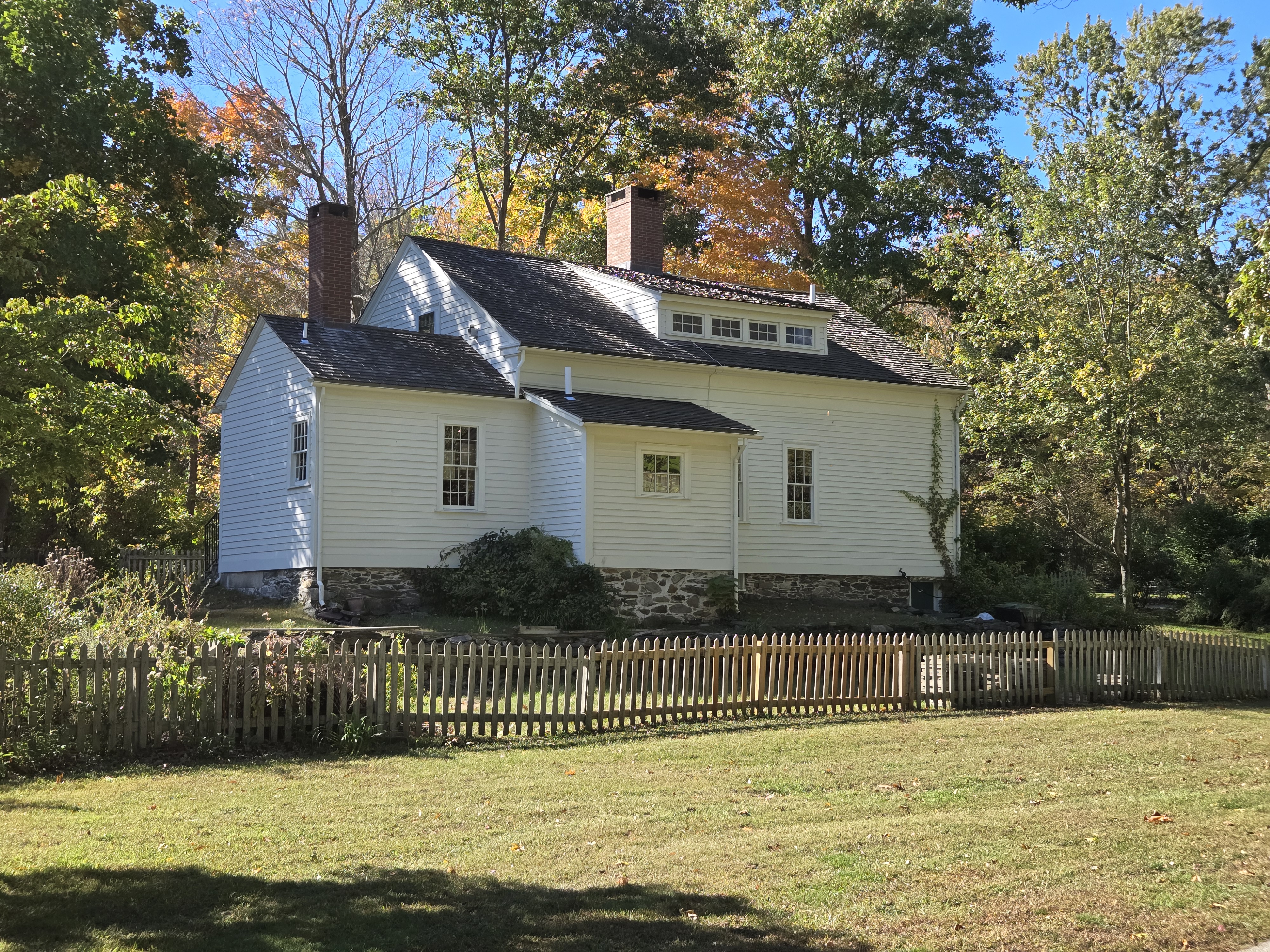
This rapid industrial growth stimulated simultaneous agricultural boom as surrounding farms adapted to feed this new industrial society. They supplied hay for mill horses, timber for construction, dairy and produce for growing towns, and grain for bakeries and boardinghouses. Rural and industrial New England grew together, shaping a regional culture built on hard work, ingenuity, and resilience.
The Legacy of our Cycle Route
The Blackstone Valley was not only the birthplace of the American Industrial Revolution. It is also one of the places that was instrumental in the founding of the American Labor movement. As textile mills expanded throughout Pawtucket, Woonsocket, Blackstone and Uxbridge, the long hours, dangerous conditions, child labor and low wages inspired organized resistance and calls for reform.
For the first time in American life, farm families who had once worked independently, now labored according to factory clocks and the intense pressure for productivity under the shadow of mill rules. The concentration of hundreds of workers under one roof created a shared experience that fostered a collective identity. These conditions laid the groundwork for labor organizations and strikes for better working conditions.
The Blackstone Valley's legacy extends beyond the technical innovation of water-powered machinery. In concentrating labor on an unprecedented scale, the valley became both an engine of prosperity and a crucible of reform. These issues that festered in the New England mills, would in time change the legal, moral and social landscape of America. The dangerous conditions imposed by child labor, and a call for human rights and dignity in response to the long hours and dangerous conditions of mill work would become an unstoppable force for change. The struggles and protests of mill workers helped shape the development of labor law, workplace safety standards, child labor protections, and the broader concept that economic progress must be balanced with human rights.
The era of the mills has passed, but their imprint remains in the architecture, the tight‑knit neighborhoods, the cultural mix of the valley, and the economic patterns that still define New England. This corridor didn’t just produce textiles — it produced a way of life.
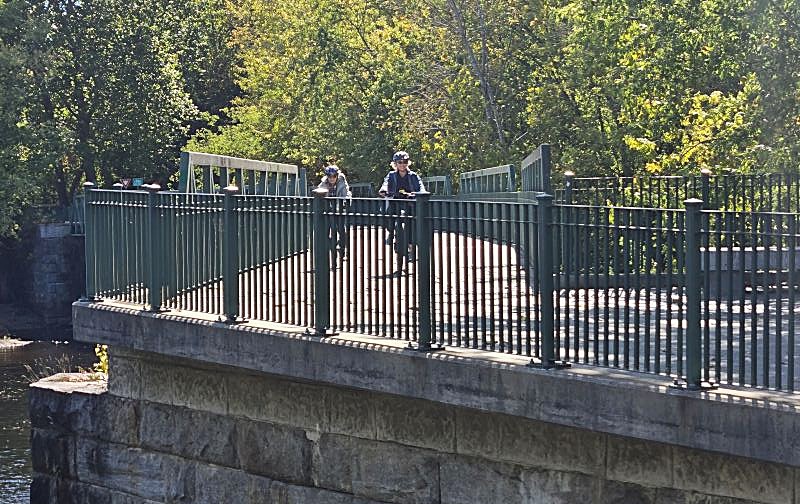
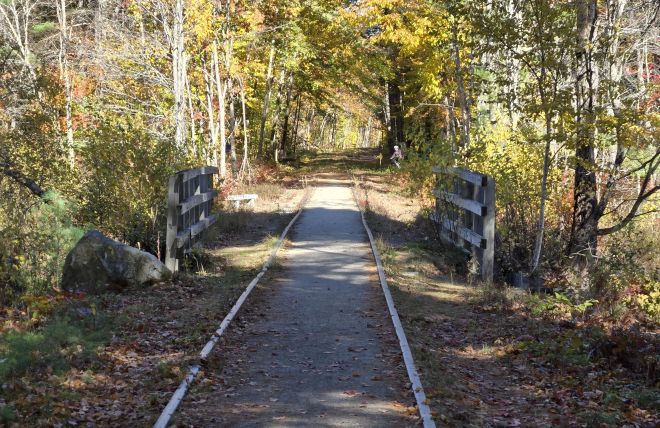
As I ride the Blackstone trail on this beautiful Fall day, I feel I’m moving through the bones of the American Industrial Revolution. For families like mine with direct ancestors who immigrated from Scotland and Canada—the Stewarts and the Greniers—this history isn’t abstract. It’s woven into memory: I share blood with those immigrant millworkers, and the joy, hope and yearning of their dreams surges within me like a sweet, sad song as I peddle this path today.